
Improving Your Vehicle’s Performance and Security
Maintaining a car in good condition is crucial for ensuring both reliability and safety on the road. A critical part of vehicle maintenance includes keeping an eye on the transmission system. This component is responsible for transferring power from the engine to the wheels, allowing the car to move efficiently. When issues arise with this system, it can lead to reduced performance and increased risk. By understanding how transmission replacement contributes to vehicle reliability and safety, drivers can make informed decisions that enhance their driving experience.
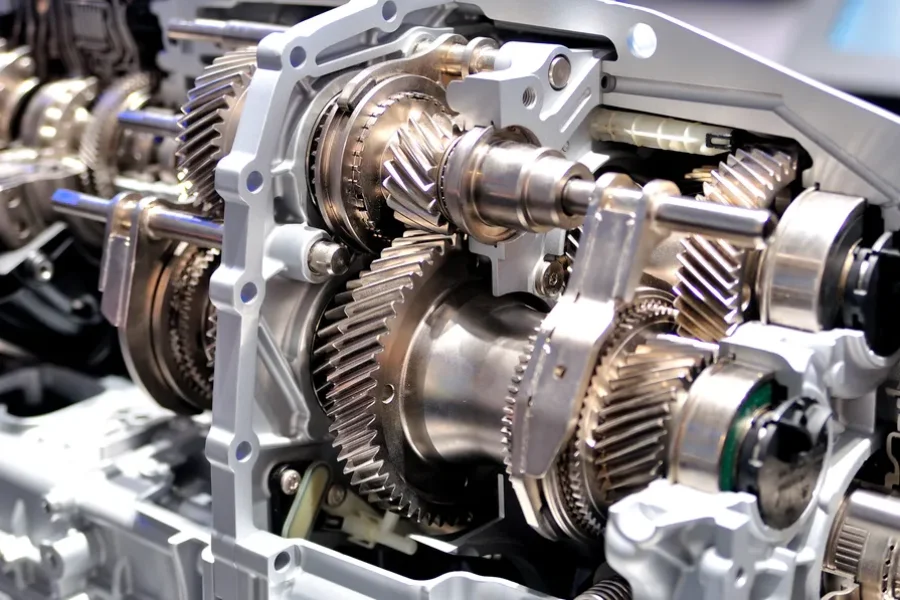
The Role of Transmissions in Vehicles
Transmissions play a vital role in your car’s operation by managing engine power and speed. They ensure the vehicle runs smoothly and responds well to driver inputs. Over time, wear and tear or damage can affect their performance, leading to various issues like slipping gears or delayed responses. Replacing worn-out parts with new ones through Transmission Replacement helps restore proper functionality and enhances overall reliability and safety.
Benefits of Replacing a Faulty Transmission
Investing in a Transmission Replacement brings several benefits. It improves fuel efficiency by ensuring the engine operates at optimal levels without overworking. Additionally, it reduces the risk of breakdowns and costly repairs caused by ignoring transmission problems. Drivers will notice smoother gear shifts, better acceleration, and enhanced control during driving conditions, contributing to a safer journey.
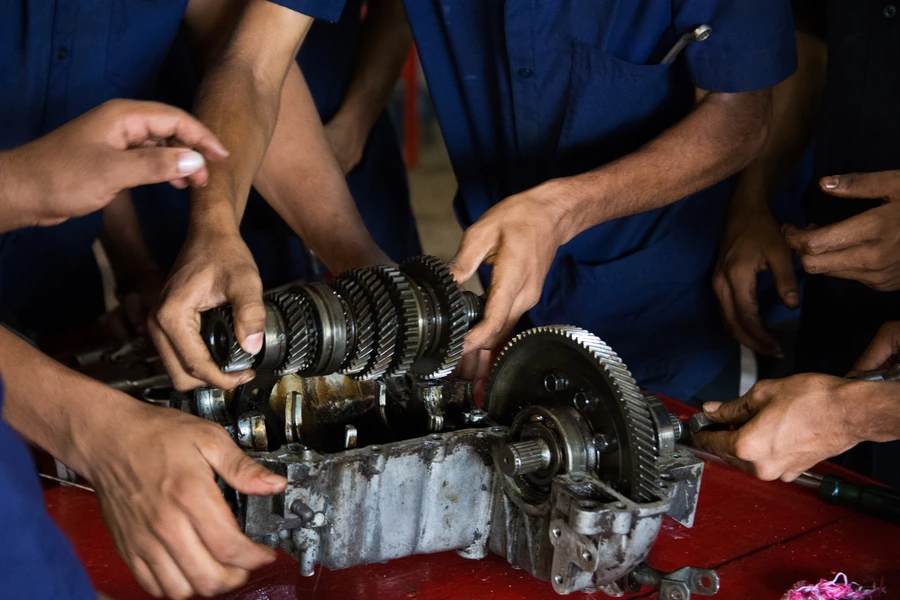
Common Transmission Problems
Car owners often face issues such as grinding noises, leaking fluid, or sudden gear changes. These signals indicate that the transmission needs attention. Ignoring these problems can worsen the situation, leading to complete failure and leaving you stranded. Addressing these symptoms promptly helps maintain the car’s performance and prevents further damage.
Step-by-Step Guide to Replacing a Transmission
Replacing a faulty transmission involves several steps:
- Diagnose the issue: Identify whether repair or replacement is necessary by consulting a professional mechanic.
- Choose a quality replacement: Opt for new components that meet your car’s specifications.
- Remove the old transmission: Disconnect all related parts and drain any fluids before removing the unit.
- Install the new transmission: Carefully position it, reconnect all components, and refill fluids.
- Test drive: Ensure everything works correctly before finalizing the process.
Expert Tips for Transmission Maintenance
Regular maintenance can extend the life of your transmission and prevent costly replacements. Here are some expert tips:
- Check fluid levels regularly and top up when needed.
- Avoid aggressive driving habits that put extra strain on the transmission.
- Schedule periodic inspections with a trusted mechanic.
Understanding Industry Standards for Transmissions
Industry standards set guidelines for maintaining and replacing transmissions. Meeting these ensures safety and compliance with manufacturer recommendations. Adhering to standards also guarantees that any replacements or repairs use high-quality materials suited for your specific vehicle model.
Cost Factors and Considerations
The cost of transmission replacement varies based on factors such as vehicle type, transmission model, and labor charges. While upfront costs may seem high, investing in a reliable system saves money in the long term by preventing frequent repairs. Consider your budget while ensuring quality work from reputable professionals.
Enhancing Your Vehicle’s Longevity With Professional Services
If you’re noticing issues with your vehicle’s performance, don’t wait until it’s too late. Contact Faster's Auto Mobile Repair for assistance today. Our team is based in Fullerton, CA and ready to help extend your car’s lifespan. Call us now at (714) 280-6648 to schedule an appointment and experience peace of mind knowing your vehicle is in capable hands.